BACKGROUND
The research explores LLM hallucination in the entanglement with embodied medium. As an emerging concept, a design-oriented perspective is yet to be explored. Current algorithmic experience (AX) prototyping method scratched the surface of negative side of algorithm but didn’t elaborate how to deal with “erroneous or unpredictable” result, and it only limits the algorithm in virtual and tangible form and explore it from the human-centered design perspective. Thus, the research proposes to prototype LLM hallucination by expanding the definition to a broader embodied medium and use the AX prototyping method for speculation. To better convey the experience, the research focuses on two encounter scenarios: investigate the potential of multimodality as a convey medium from first-person angle and integrate the speculative design with a broader embodied medium beyond material from third-person angle.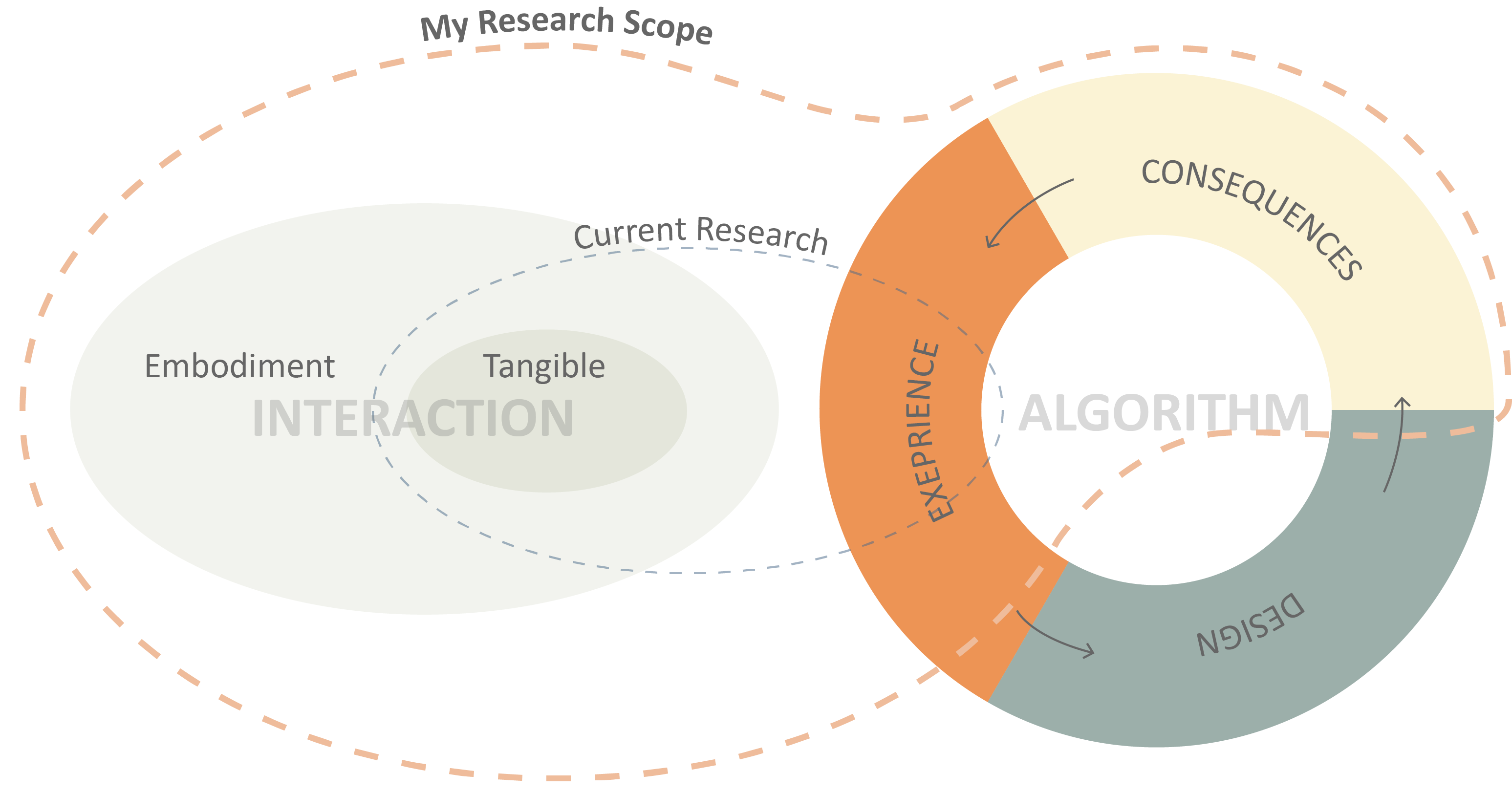
Territory Map of Current Research
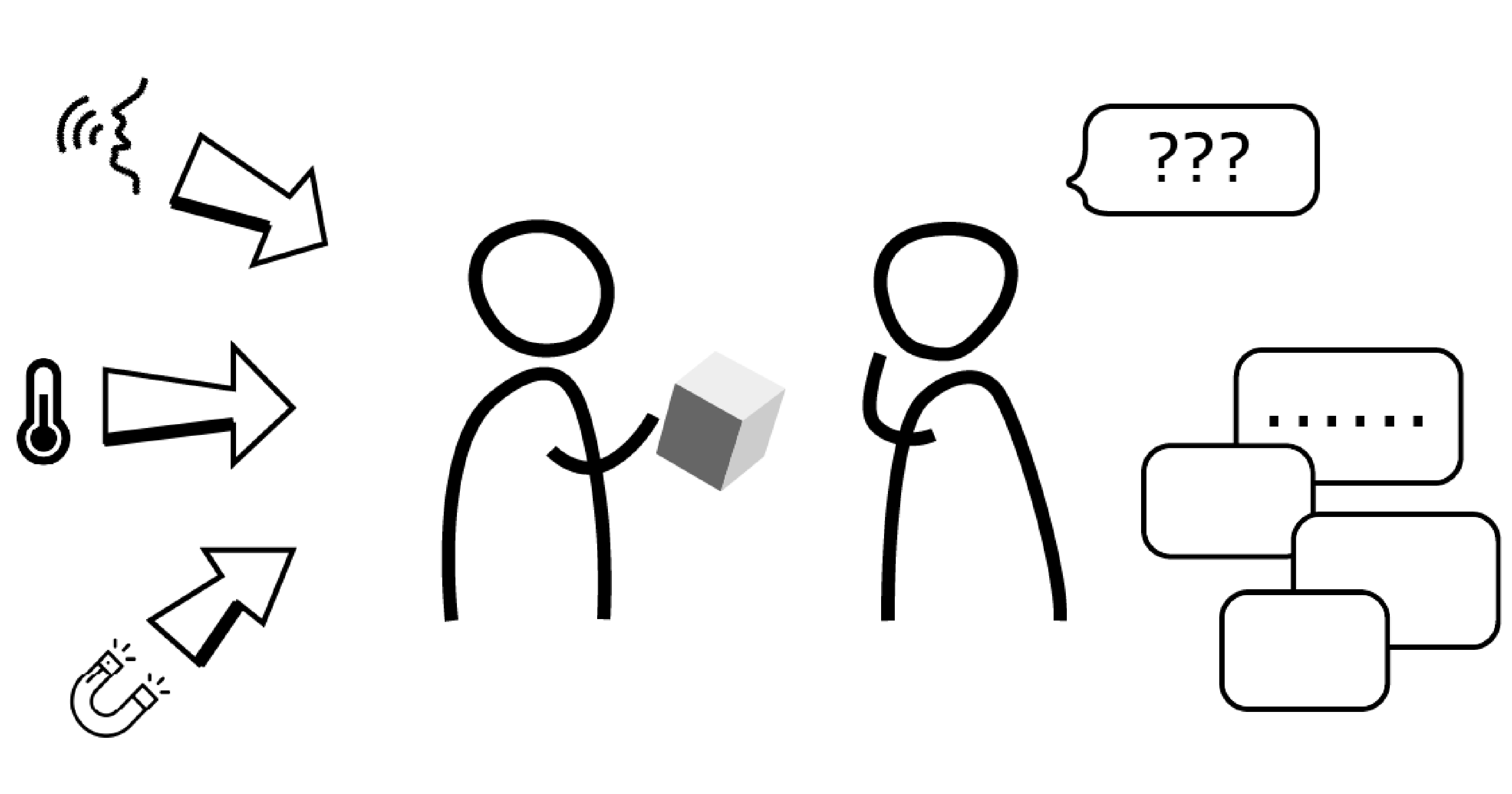
Narrative Medium - First-person and Third-person
RESEARCH QUESTION
When LLM hallucinations are integrated into everyday embodied interaction experience:RQ1 - How might users recognize, interpret, and relate to LLM hallucination?
RQ2 - How could designers leverage insights from the users to engage with hallucinations through embodied mediums and methodologies?
HYPOTHESIS
Algorithmic Experience in Interaction Process
-
Experience from algorithm logic/mechanism: This experience stems from how algorithms work. For prediction-based algorithm in machine learning, the input-output relationship clear. In contrast, LLMs generate outputs through predicted token sequences, where user influence is more implicit due to nature-language-based output, creating a different interaction.
-
Experience from algorithm-generated content: This focuses on the type of content produced by algorithms. For LLMs, text, speech, images, or 3D models each provide distinct experiences, shaped by the modality in specific scenarios.
-
Experience from human interpretation of output: Users interpret algorithm outputs based on their socio-technical context, leading to varied reactions and experiences shaped by how they engage with the results.
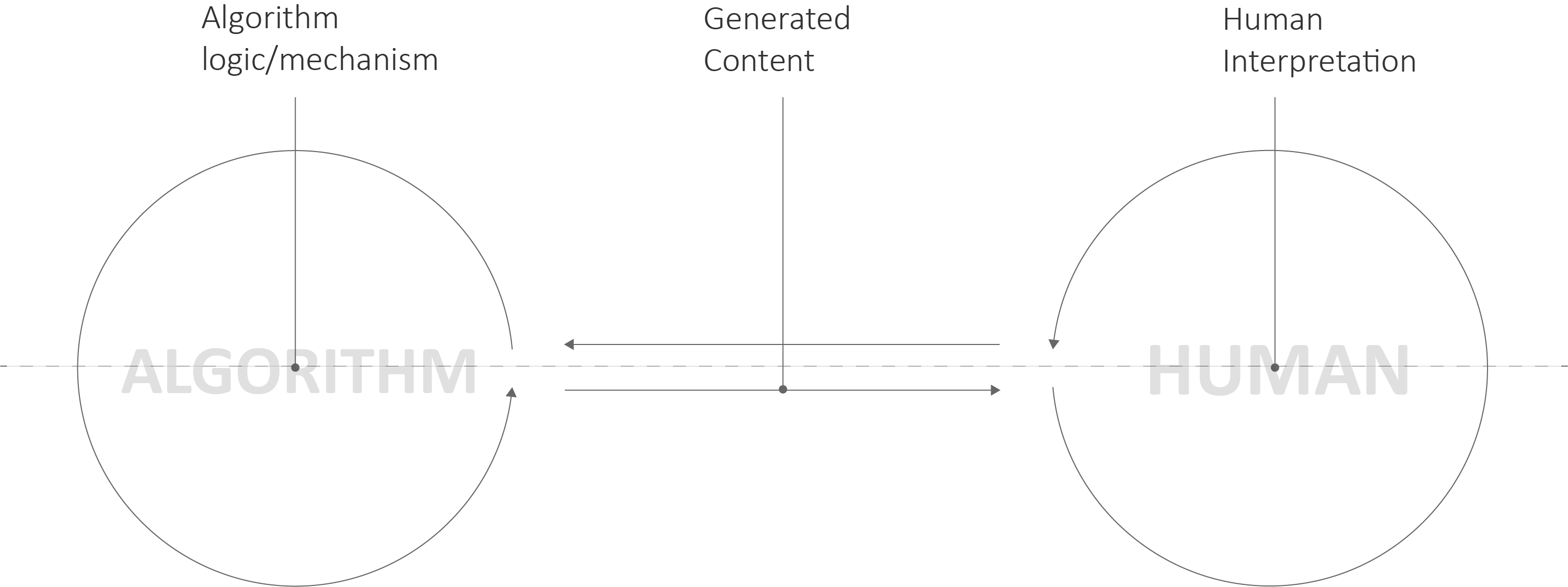
Algorithmic Experience in Interaction Process
Hallucination Experience Glossary
LLM hallucination here synthesizes various technical issues that result in deviated responses. These issues stem from different causes and produce varied outcomes, shaped heavily by social context. I propose the following glossary serving as entry points into exploring the imaginative potential of LLM hallucinations:
-
Empathy-Emotional experience from a technical flaw: This perspective arises from how audiences interpret LLM hallucinations. While some express frustration, others view hallucinated responses as offering companionship, finding emotional support in erroneous yet benign feedback. The technical flaw becomes a personal, emotional experience.
-
Serendipity-Alternative experience resonating with social relationships: This reframing highlights hallucinations as responses that seem socially connected yet unexpected, fostering curiosity, empathy, and reflection. These moments of serendipity help users connect with broader social contexts in meaningful ways.
-
Alchemy-Creative experience from hallucinated content: In content generation, hallucinated responses, though factually inaccurate, can spark creativity. Users may find inspiration beyond their knowledge or expectations, turning hallucination into a catalyst for creative exploration.
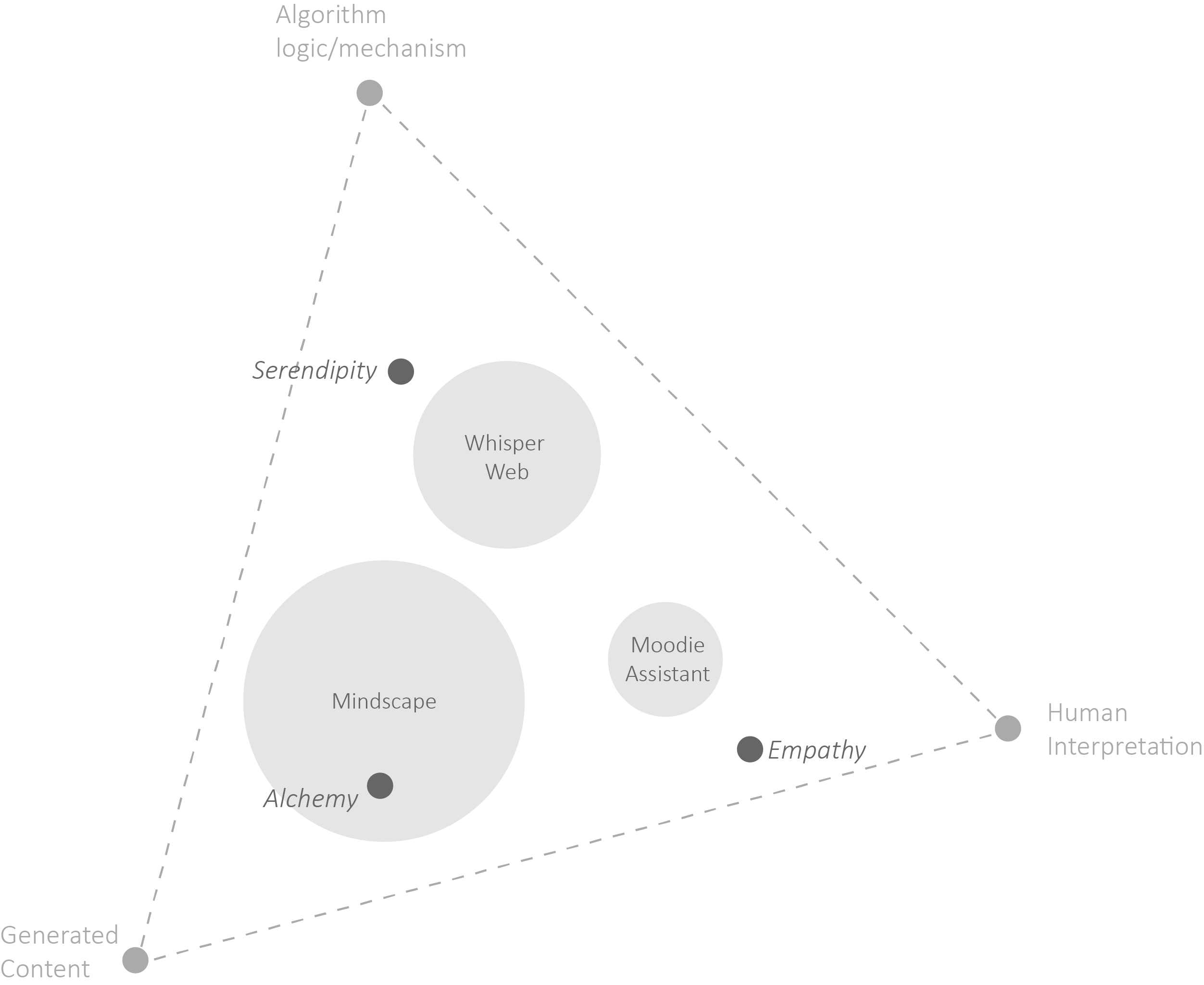
Hallucination Experience Glossary Territory Diagram
METHOD
Prototyping Hallucination Experience
Prototype 01: Moodie Assistant
Key words: Empathy, Emotional projection, Interpretation ambiguity
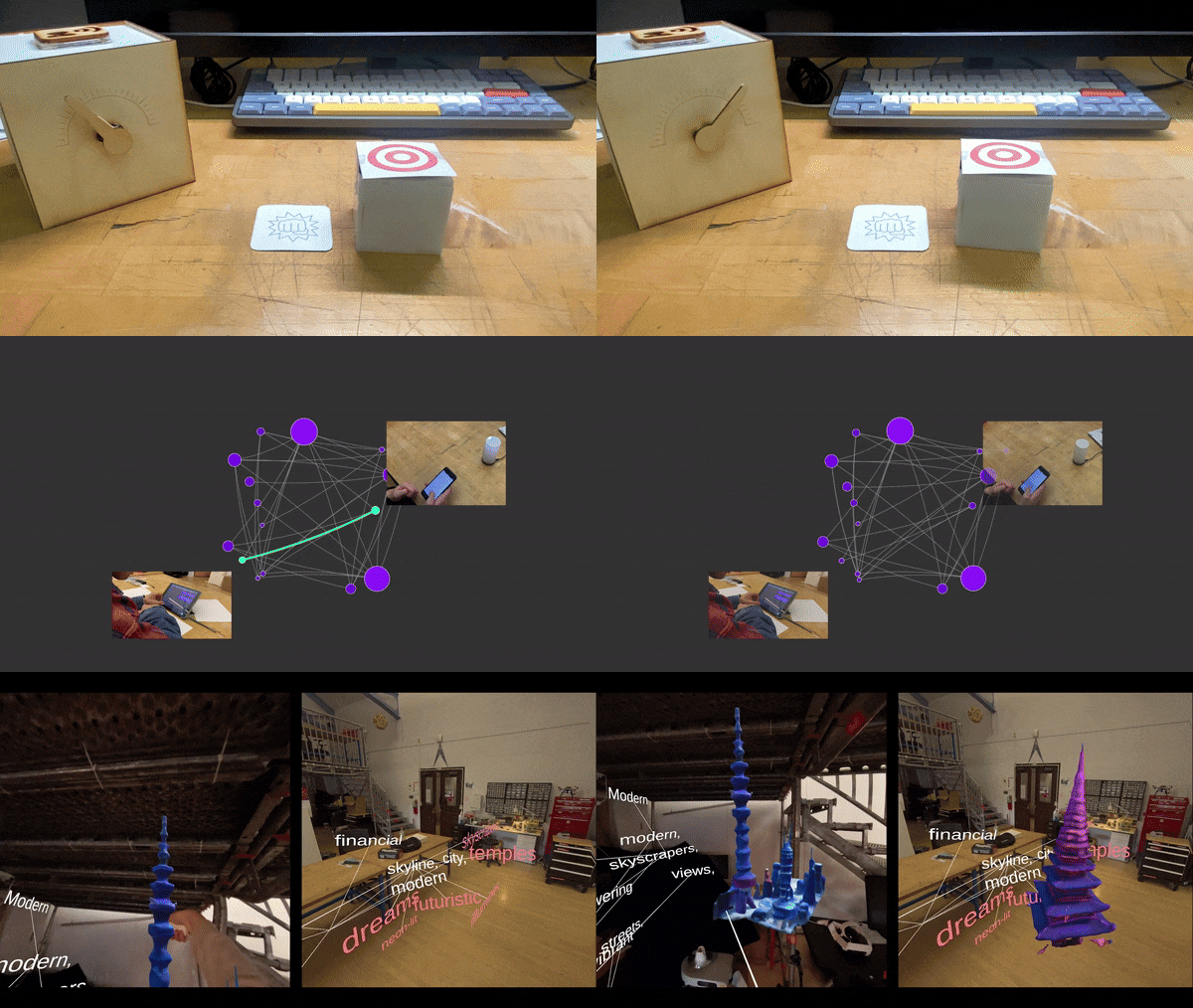
Moodie Assistant depicts the algorithm experience as an emotional response to hallucination. This prototype takes the form of a voice assistant with a gauge indicating the hallucination level. It’s equipped with a series of remotes to enable users/audiences to express their emotional experience during the conversation with different modalities and granularity on hallucination control. Different roles, users and audience, have different emotional reactions in their interaction with the devices. The prototype’s embodiment gives us the medium to discuss the interpretation ambiguity.
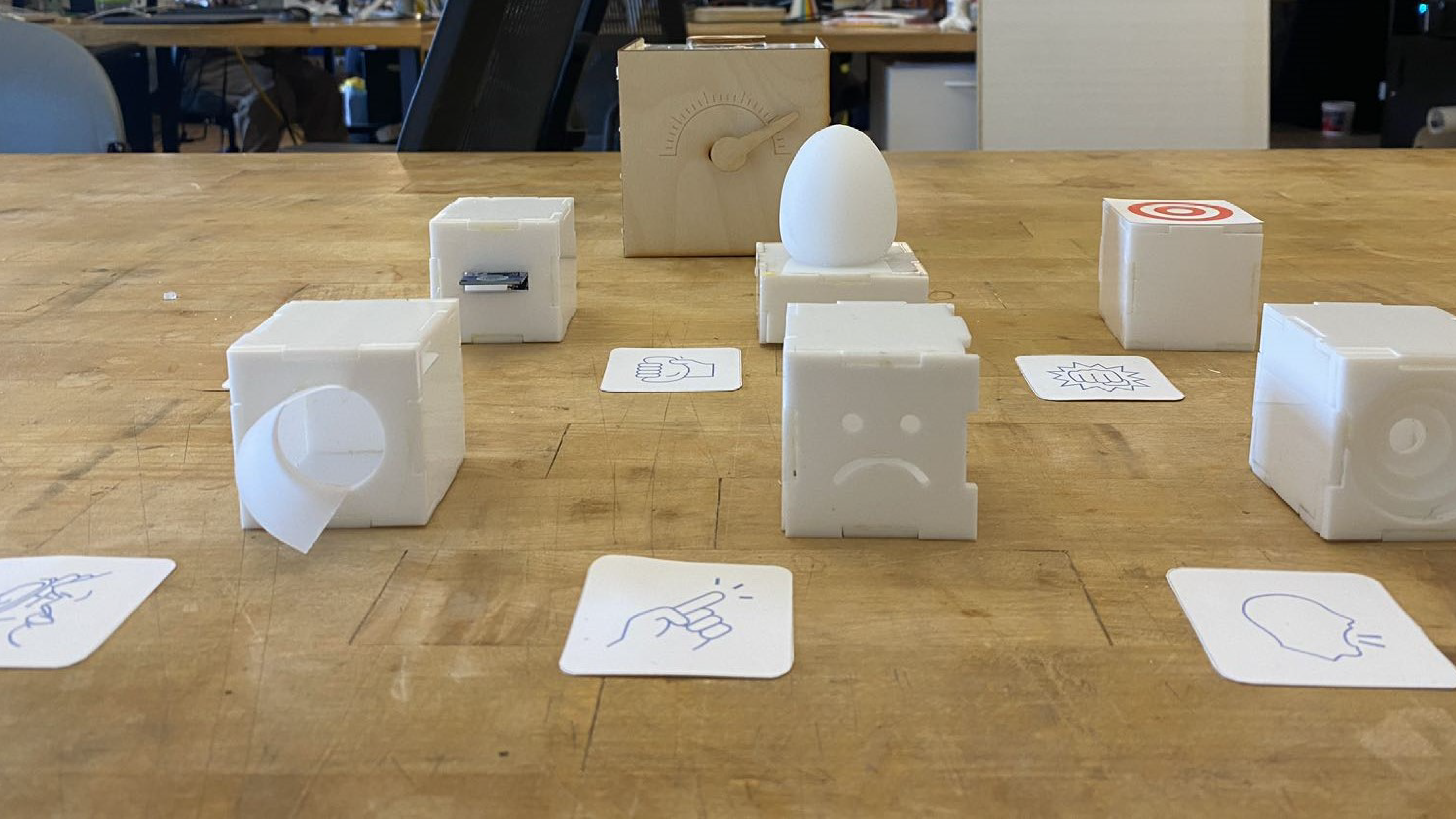
Overview of Moodie Assistant: Voice Assistant with Gauge and Remotes
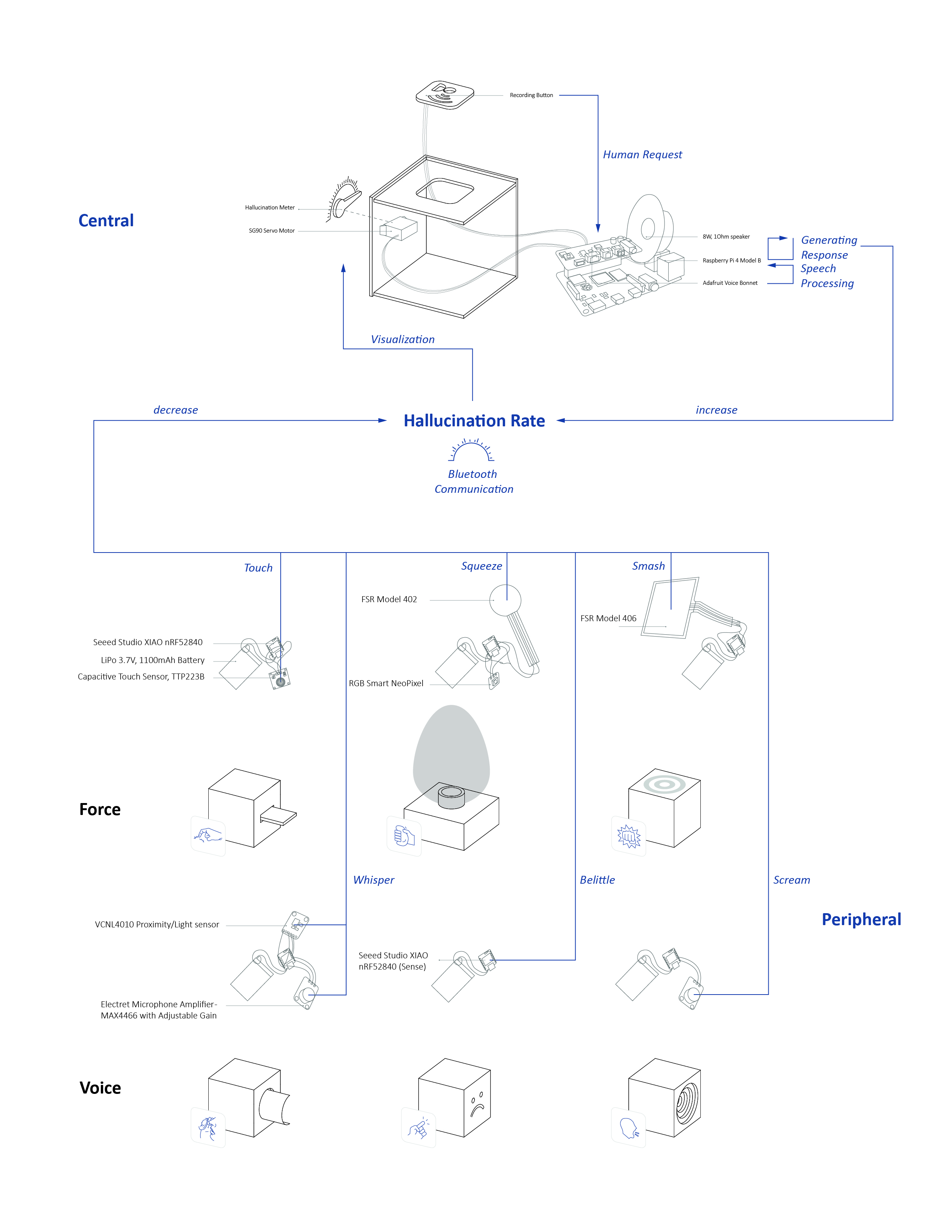
Technical Diagram of Moodie Assistant
Prototype 02: Whisper Web
Key words: Serendipity, occasional encounter situated in social context
Whisper Web explores hallucination experience as serendipity. The prototype embodies the form of a chatbot with personalized context “collection” to simulate LLM “training set.” The prototype reflects on the reaction when the hallucination provides deviated context implying different social relationships. Instead of intervening directly, the prototype’s embodiment leverages visualization medium to observe and document how the hallucinated info leads to the tension between human and conversational agents.
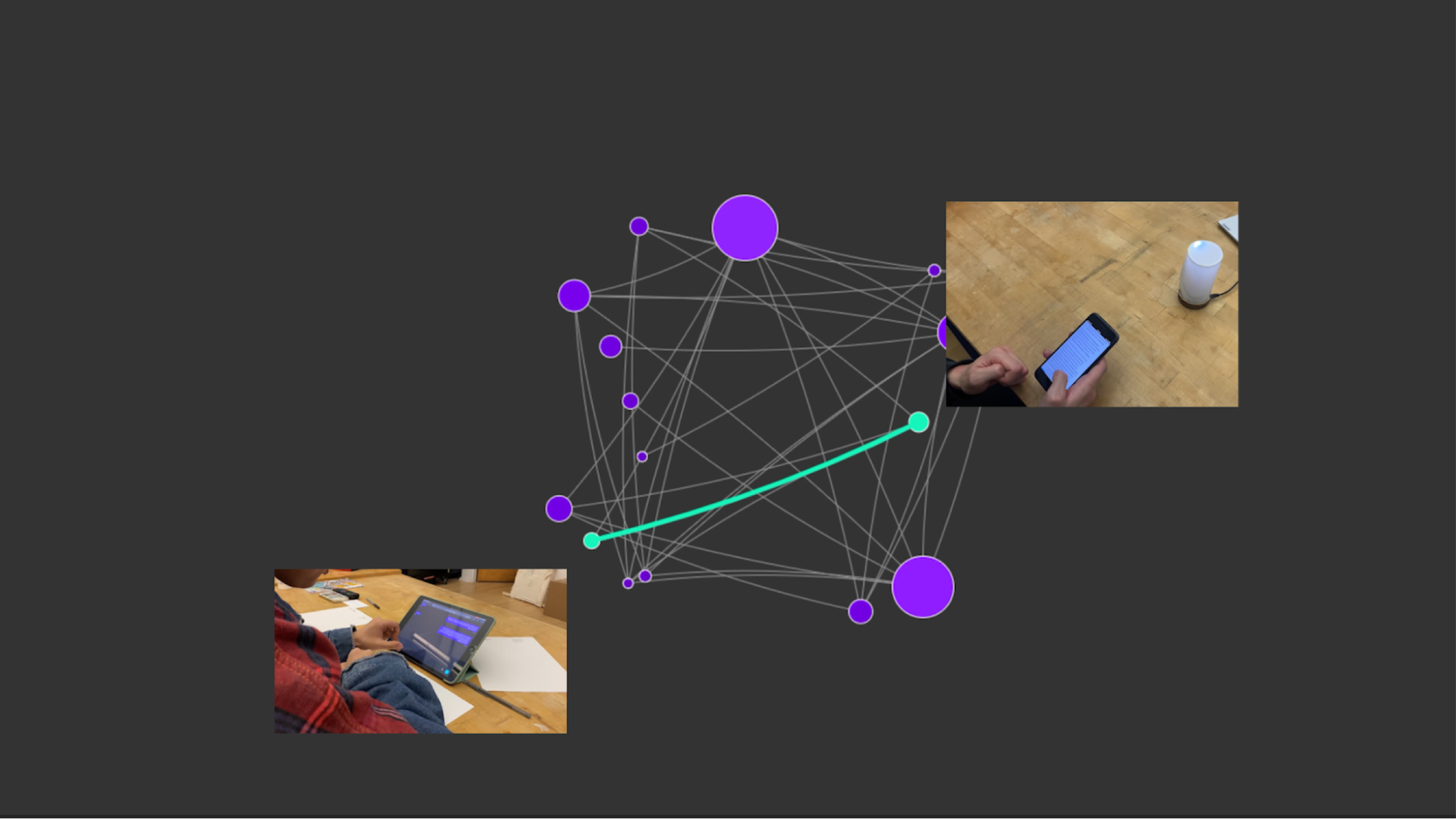
Overview of Whisper Web: Two users are connected through the input used to train the model and receive tangible notifications
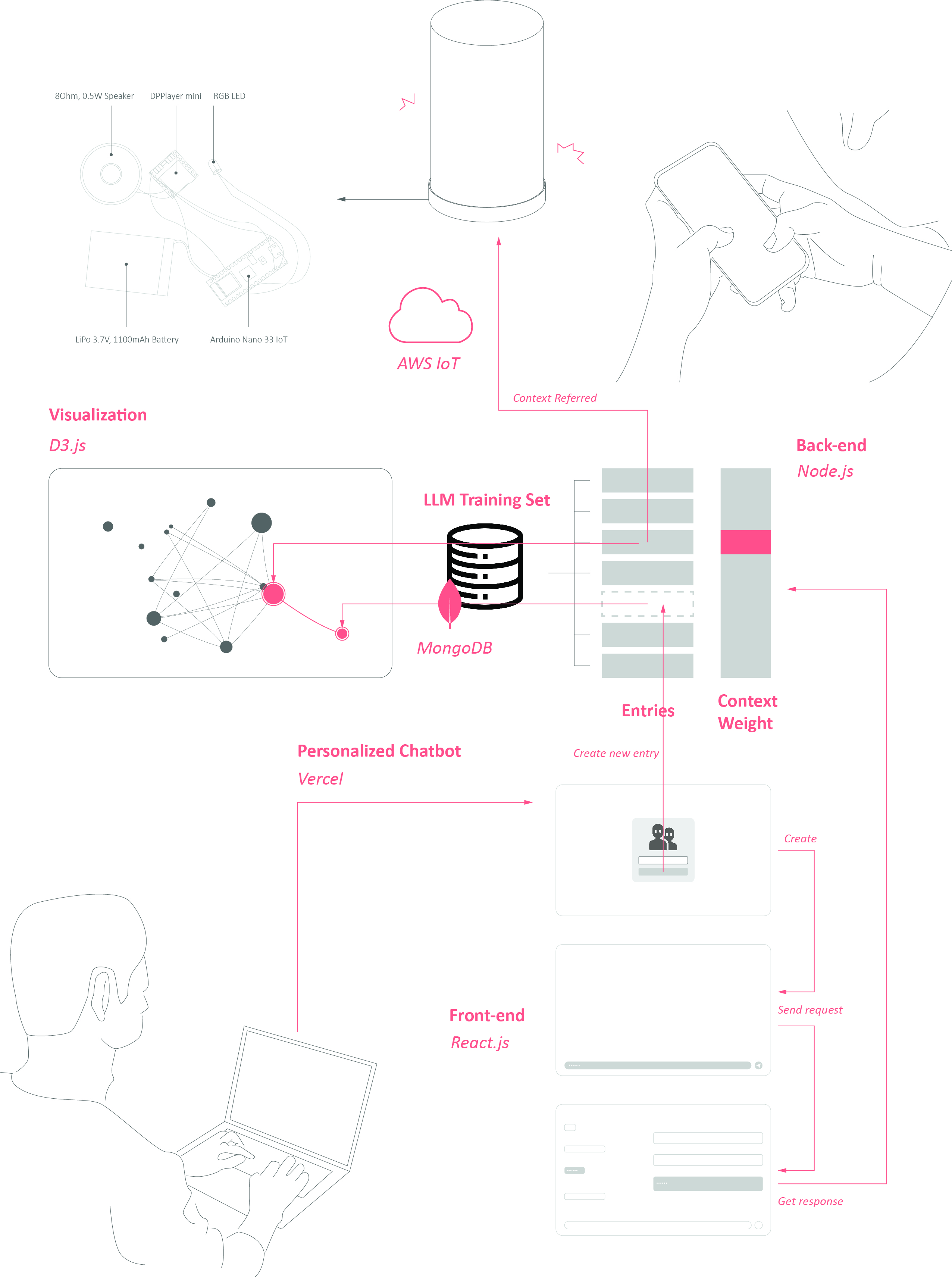
Technical Diagram of Whisper Web
Prototype 03: Mindscape
Key words: Alchemy, turning hallucinated content into creative ideas, insights, and innovations
Mindscape explores the experience by seeking creative opportunities from LLM hallucination. The prototype is an XR application on the immersive environments platform to let users ideate and create an alternative world with the hallucinated LLM model, which focuses more on the brainstorming workflow and ideation/iteration. The prototype aims to investigate the effect of hallucinated-generated content on creativity. The embodiment mitigates reality constraints and augments imagination to the maximum.
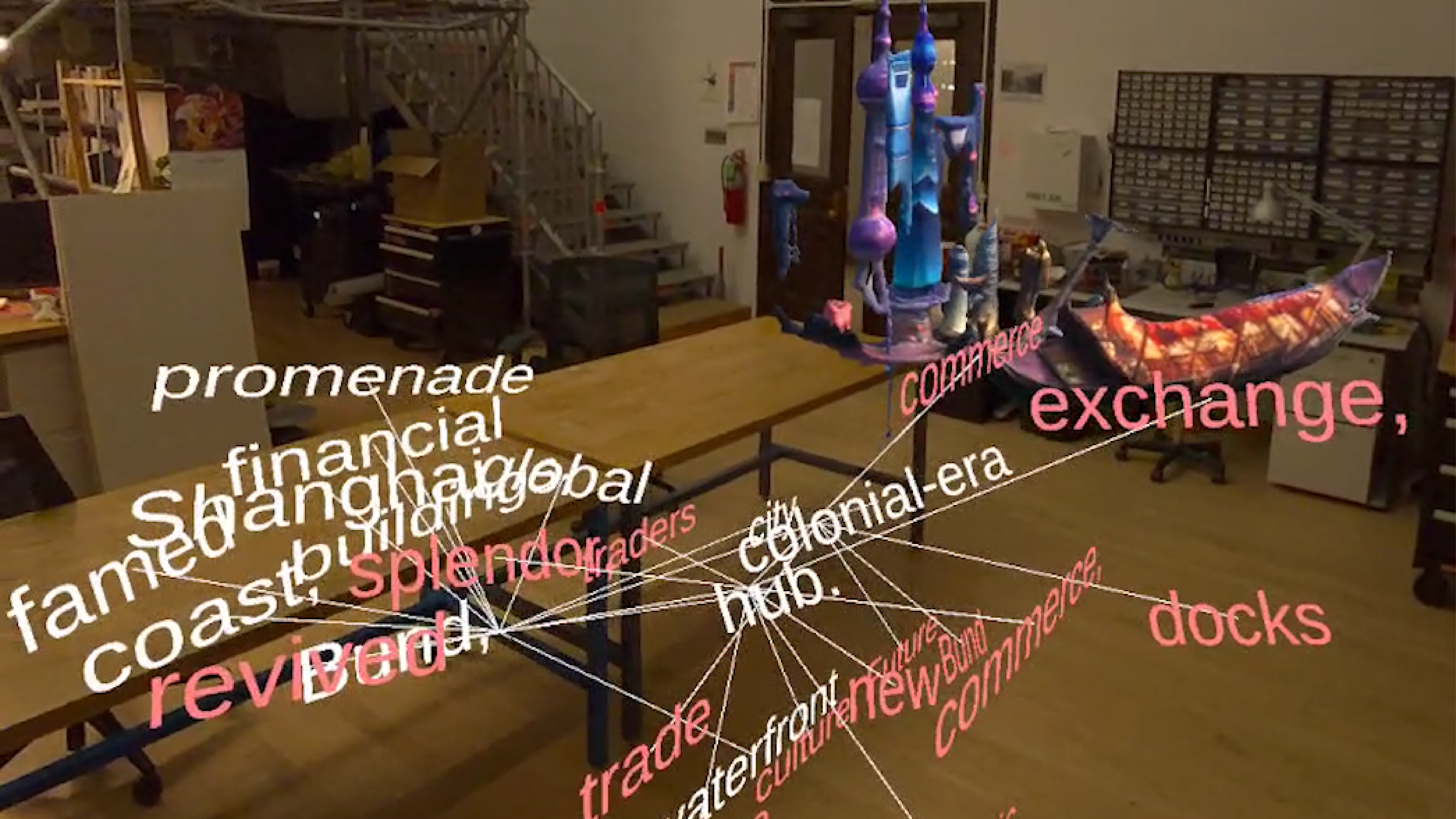
Overview of Mindscape: Uses a hallucinating LLM model to brainstorm scenarios concept through a word game
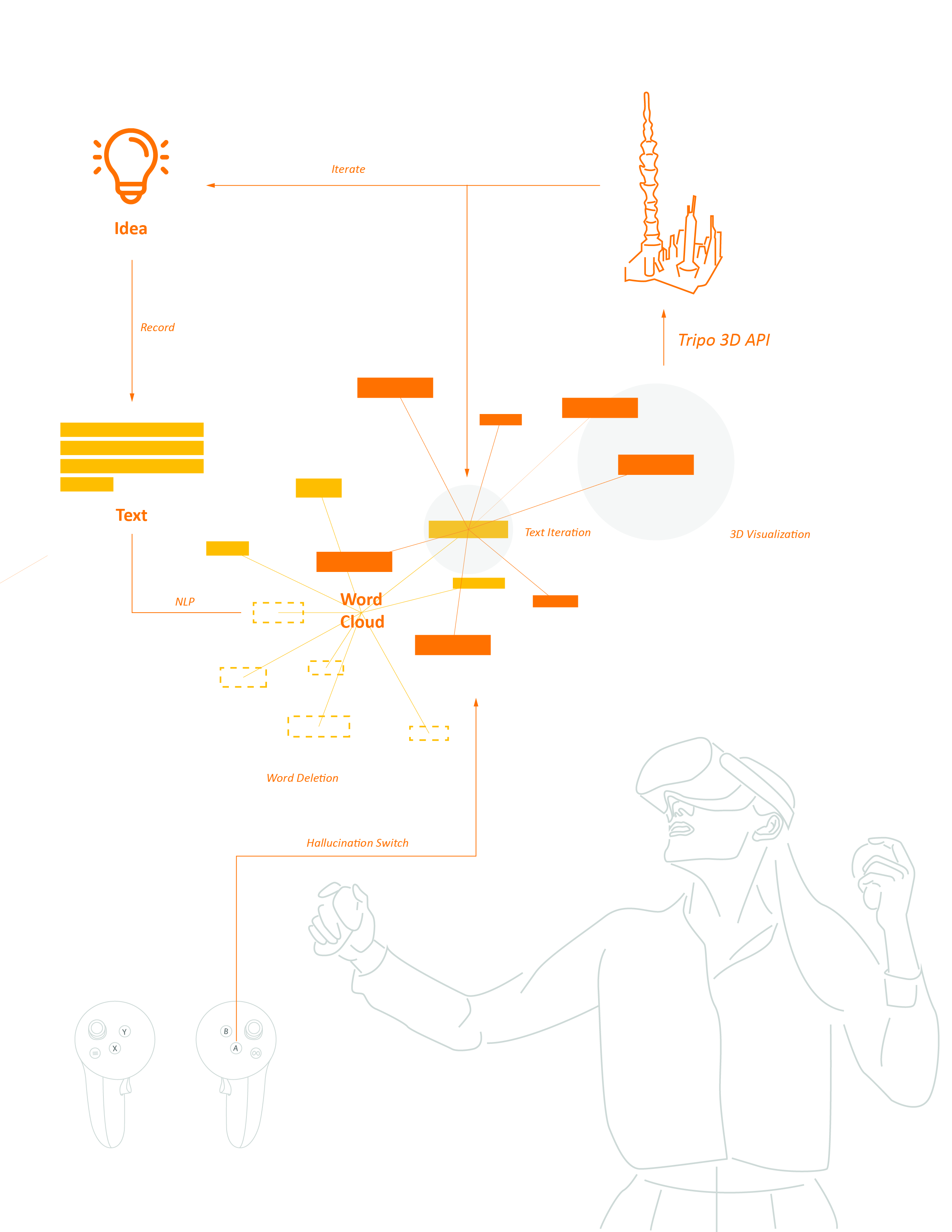
Technical Diagram of Mindscape
Speculative Film - Experience Narrative
A short film illustrating how the proposed prototypes might be encountered in everyday life
USER STUDY
Six participants were recruited through word of mouth for the pilot study. All participants are MSCD students/alumni. All participants have rich experience in design practice and are familiar with LLM-related applications/tools. They were paired into three groups, and three observation studies were conducted on three consecutive days. In the observation studies and the following interviews, one can listen to what other people “say” and watch what other people “do”. After analyzing the collected data with affinity diagrams and interactive visualization, a workshop was conducted in the following week for introspection and explorative participatory design to propose “solutions” as both design experts and user role.
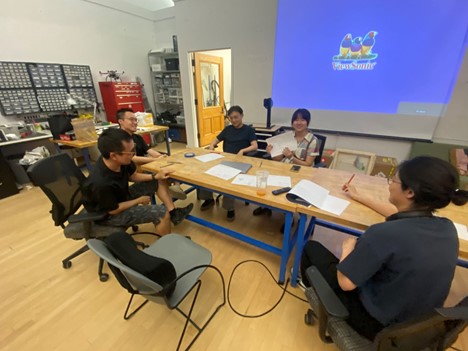
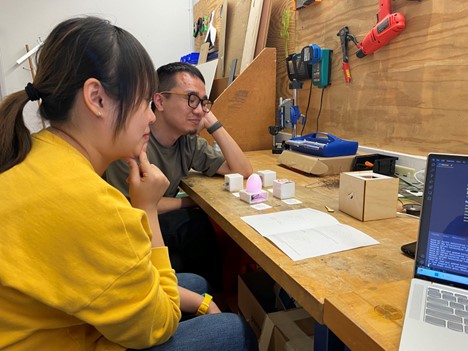
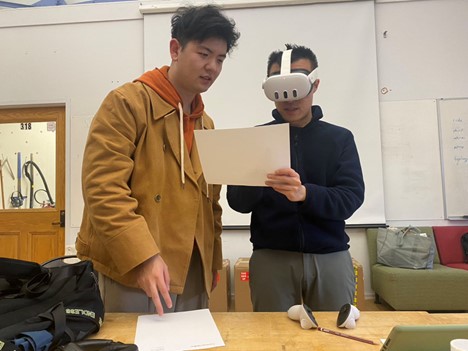
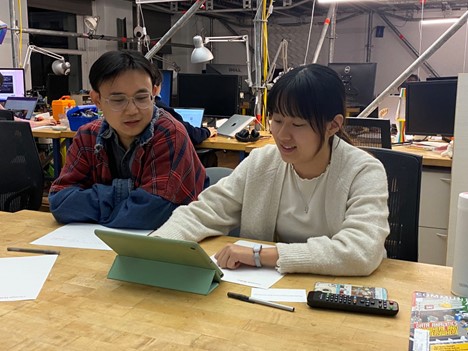
User Study: Observation Study and Workshop
FINDINGS - RECOGNITION, INTERPRETATION, RELATION
| Dimension | Phase | Key aspects |
|---|---|---|
| LLM Hallucination Characteristics | — |
|
| Embodied Medium’s Effect on Hallucination Experience | Recognition |
|
| Interpretation |
| |
| Relation |
| |
| Interactive Patterns of Hallucination Experience | Recognition |
|
| Interpretation |
| |
| Relation |
|
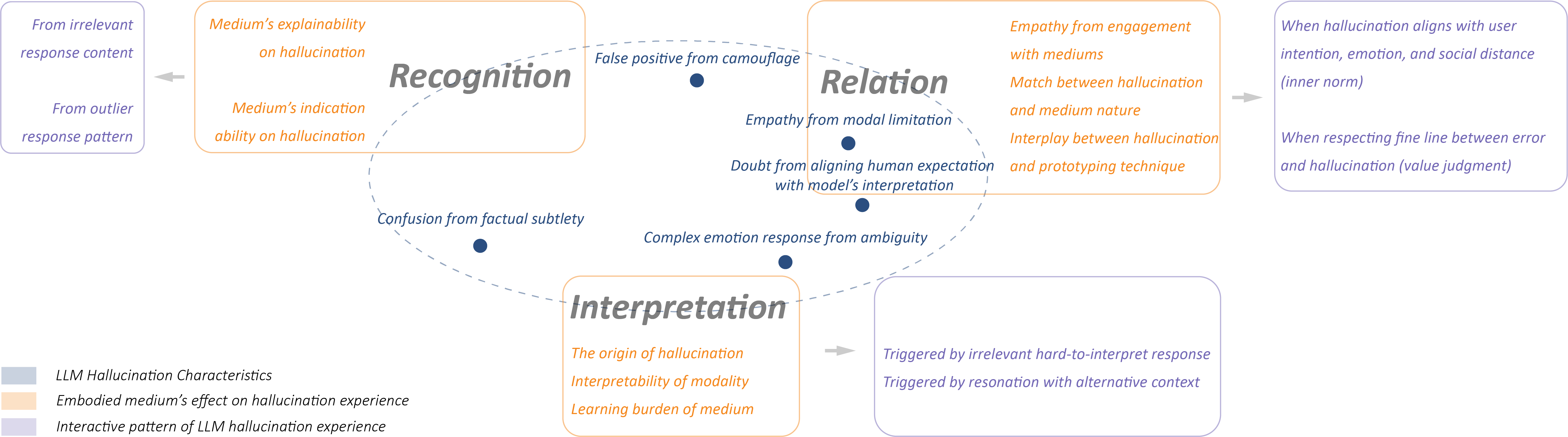
Finding Overview
INSIGHTS
Prototyping on the fine line of recognition and relation
Designers need to balance clear recognition of errors and hallucinations in order to evoke empathy and create deeper connections with the experience. This balance ensures that participants can relate to the hallucination without being distracted by obvious mistakes.
Prototyping hallucination and medium’s nature
is hallucination more suited to factual knowledge or abstract concepts, and does the medium enhance its explanation or engagement? Prototyping should align with these characteristics, not only to inform future designs but also to communicate more effectively with the audience.
Prototyping for critical, impactful moments
While some hallucinated moments, like factual errors or striking out-of-context responses, are key to the experience, others are benign or deeply hidden and can be overlooked in prototyping. Instead of monitoring everything, prototypes should focus on critical moments to enhance users' perception.
Prototyping with minimal learning burden
When prototyping works as a probe to explore design implications and alternative possibilities, designers should use rapid, easy-to-understand methods to reduce both the objective burden of the prototyping medium and the subjective burden of complex or unclear speculative discourse.