
HONGFEI JI
Independent Researcher
Hi👋, I’m Hongfei, an independent researcher studying human–AI interaction and helping people understand and use AI beyond traditional graphical interfaces. My work currently follows two directions: (1) examining how AI systems, particularly agentic AI capable of perceiving, interpreting, and acting in the world, can support people’s everyday life physically and socially, such as learning, play, and work. (2) investigating how humans shape and make sense of AI through their interactions with embodied medium. Looking ahead, I hope to connect the social perspective I developed through my architecture background to questions about embodied human–AI interaction across larger-scale social and physical environments, such as workspace and urban environment.
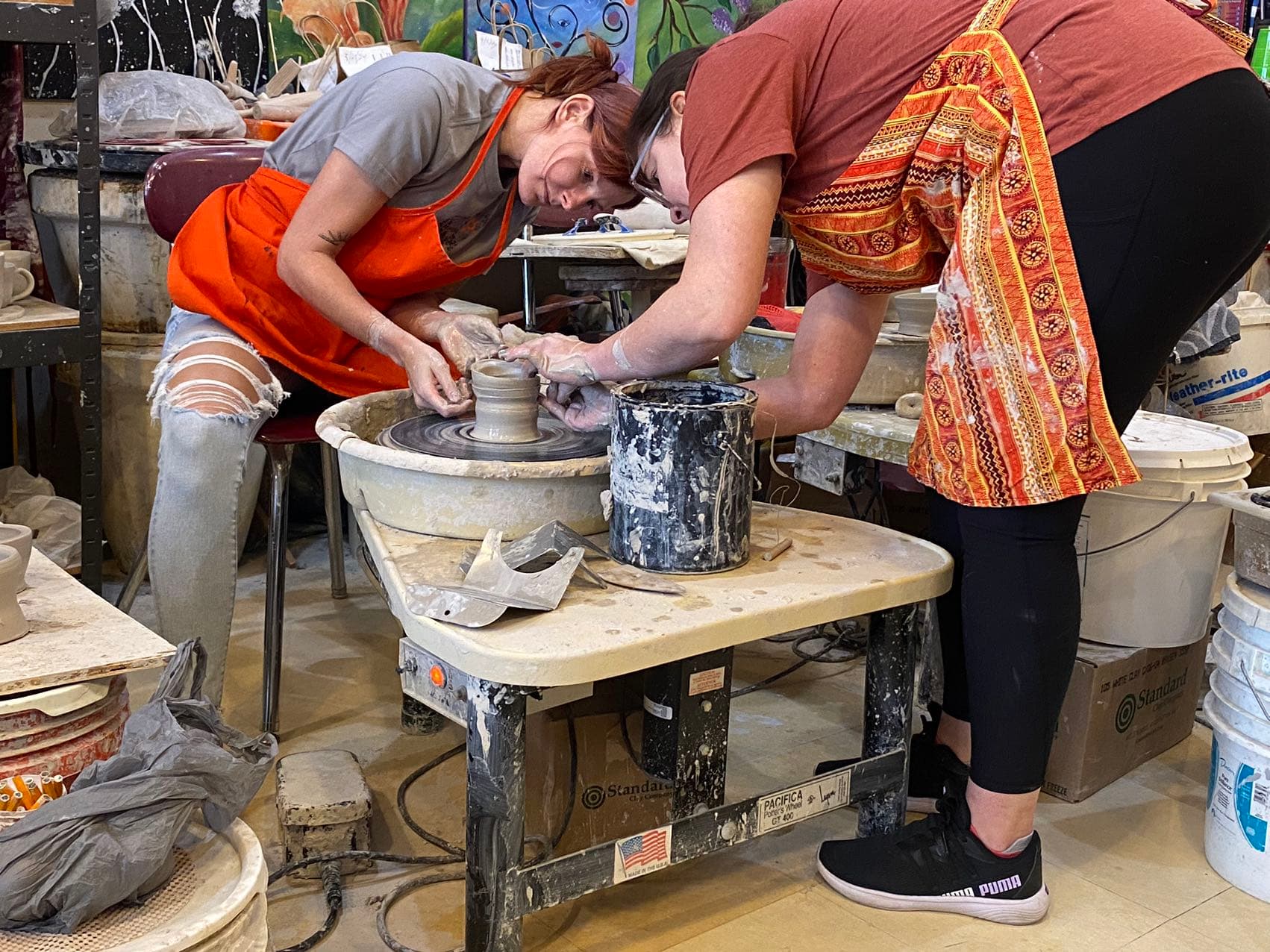
LEARNING
Many hands-on practices rely on interaction to materials, tools, and subtle environmental cues. These skills are difficult to acquire because they involve tacit knowledge that must be practiced, and because social apprenticeship plays a central role in how expertise is transferred. How can AI-augmented embodied media make the invisible aspects of learning graspable, and preserve or augment context to better support these practices?
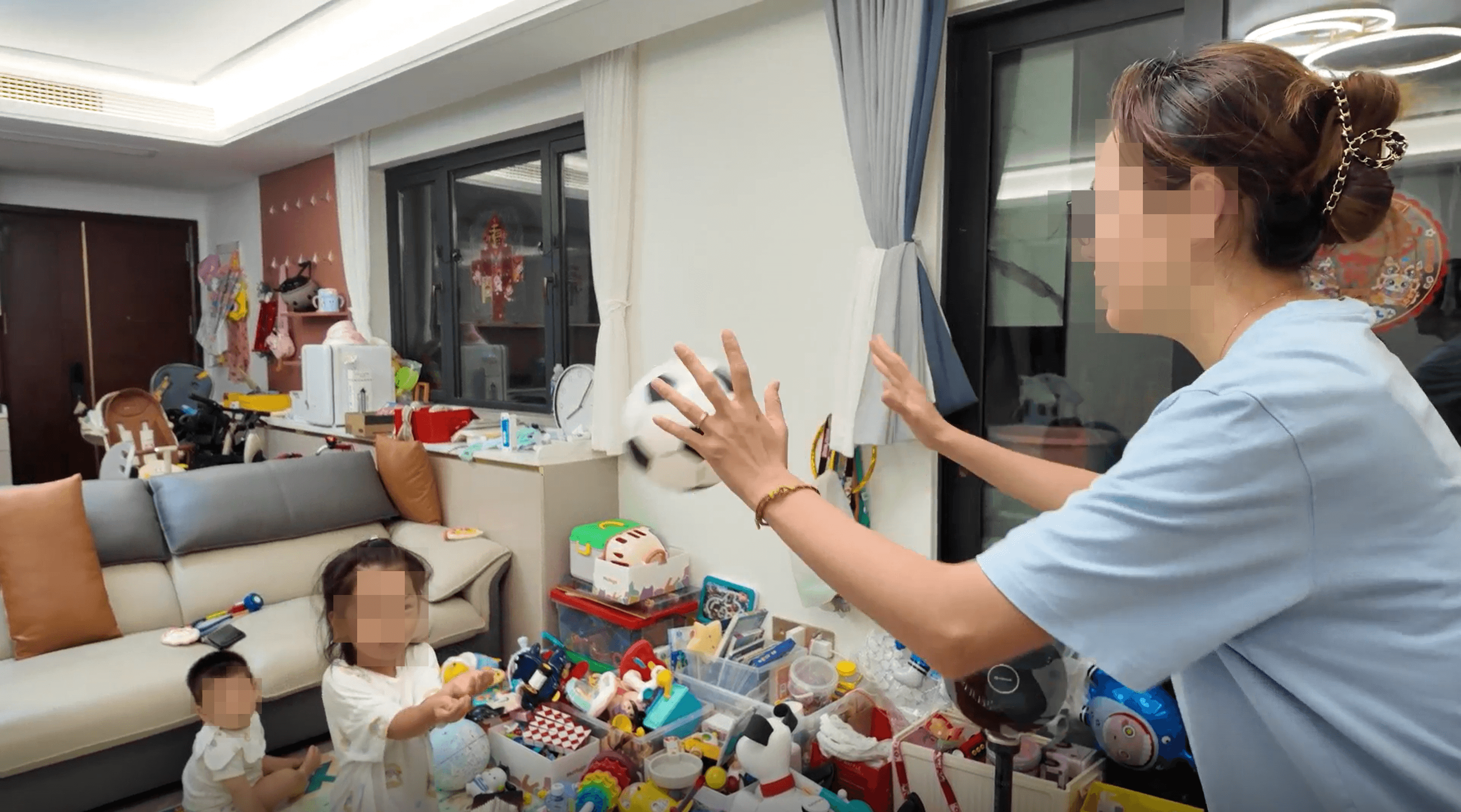
PLAY
Even as daily life shifts toward screens, physical movement is still essential, especially for children, for physical and mental health, development, and social interaction. Technologies like XR and motion-based games have reshaped how people play and how families and peers relate in physical environments. The question becomes: how can AI meaningfully enhance these embodied play experiences?
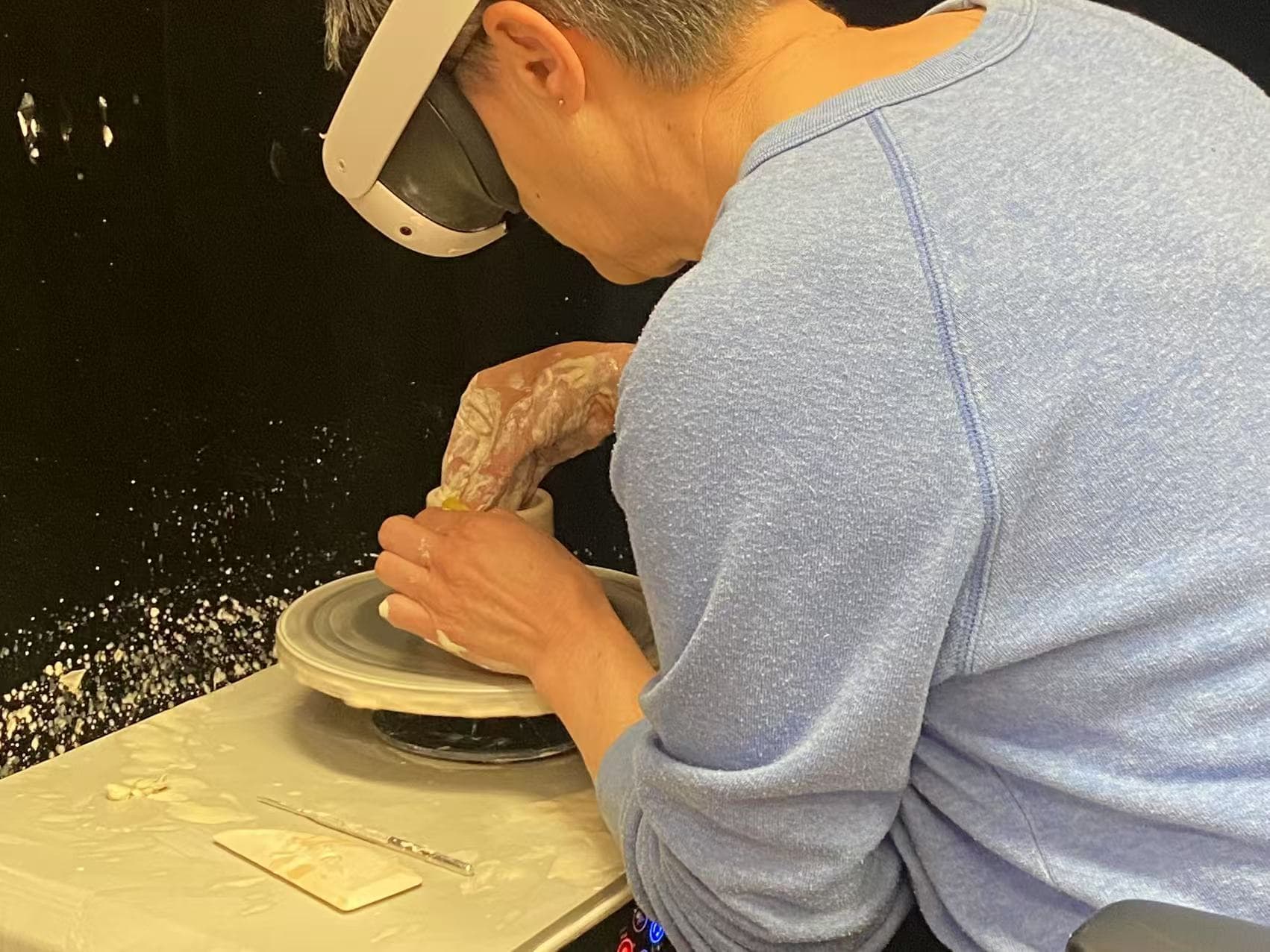
WORK
Modern work ranges from cognitive to physical tasks, all grounded in the material world. Embodied media, such as robotics and ambient interfaces, can improve the efficiency of physical labor and shape cognitive work by engaging embodied ways of thinking. At the same time, AI is reshaping job responsibilities, workflows, and workplace dynamics. How AI-augmented embodied media transform work practices and what new challenges and opportunities emerge?

SOCIAL ENVIRONMENTS
We live in shared environments: homes, neighborhoods, workplaces, and cities, where technology increasingly affects how we interact and participate in everyday life. AI and embodied media can support a wide range of situated activities, from public events and installation engagement, family communication and community services, to interaction with urban facilities and infrastructure. How do these technologoes intervene in public and semi-public spaces, and what kinds of social relationships they make possible?